
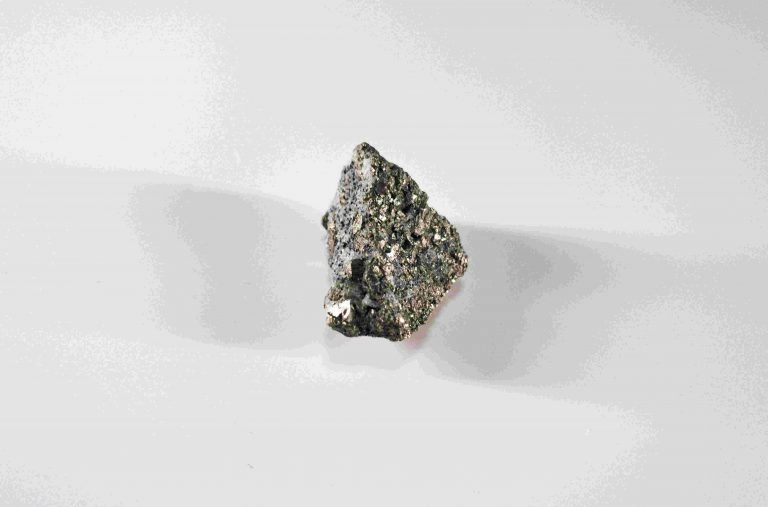
Natural flake graphite is easy to describe and easy to specify badly. A buyer may request “95% carbon, 100 mesh” and assume the job is done. In real situations, two items labeled the same can perform quite differently inside a refractory blend, a lubricant, a conductive layer, or an expandable graphite operation.
Carbon content matters. Flake form, size spread, ash makeup, moisture, and steady output also play key roles. The suitable type works well in the actual steps. It does not need to show the highest figures on a report sheet.
What Is Natural Flake Graphite?
Natural flake graphite is crystalline carbon recovered from graphite bearing ore. The ore is generally crushed, ground, concentrated by flotation, dried, and screened into commercial grades.
Its plate like particles distinguish it from amorphous graphite, which is finer and less visibly crystalline, and vein graphite, which occurs in mineralized veins. Vein graphite grows inside mineral veins. Synthetic graphite comes from high-heat steps and usually gives tighter purity at another price.
Flake shape influences surface touch, slip, flow of current, growth, and spread. A big-flake mix may help in one step yet cause trouble in another.
Which Properties Make Natural Flake Graphite Valuable?
Several useful properties occur in the same material. That combination is difficult to replace economically, though performance still depends on grade selection and processing conditions.
Layered Structure and Natural Lubricity
Graphite holds carbon layers that slide over each other with low push-back. This trait supports its role in dry lubricants, grease additives, seals, and wear-resistant mixes.
Particle size still counts. A coarse grade may form a strong lubricating film yet disperse poorly or block a narrow feed line. That kind of problem rarely appears on a specification sheet.
Electrical and Thermal Conductivity
Natural flake graphite conducts electricity and transfers heat. Results vary with crystallinity, purity, flake orientation, particle contact, and binder choice.
In a conductive coating, adding more graphite may lower resistance but make the mixture too thick to apply. The workable grade is often a compromise between conductivity, viscosity, adhesion, and cost.
Thermal Stability and Chemical Resistance
Graphite remains stable at temperatures that damage many organic materials. It also resists many chemicals and has low thermal expansion.
These properties suit refractories, foundry products, seals, furnace components, and high temperature lubricants. One caution: graphite can oxidize in air at elevated temperatures. Operating atmosphere and exposure time matter.
Where Is Natural Flake Graphite Commonly Used?
Common graphite applications vary widely by industry. A refractory plant, lubricant producer, and battery material processor may all purchase natural flake graphite. They are not purchasing the same specification.
Refractories and Metallurgy
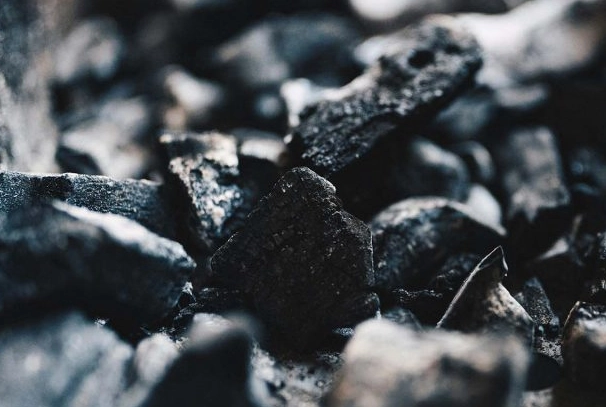
Natural flake graphite is used in refractory bricks, crucibles, furnace linings, foundry coatings, recarburizers, and metallurgical products.
Fixed carbon affects usable carbon contribution. Ash chemistry can influence slag behavior and high temperature performance. Steel related users may watch sulfur and iron closely; refractory producers often focus on flake size, oxidation behavior, and mixing consistency.
Lubricants, Friction Materials and Seals
Applications include dry lubricants, grease additives, brake and clutch formulations, gaskets, packing, and flexible graphite products.
Fine grades usually disperse more easily. Coarser flakes may produce a stronger film in some systems. Mesh size alone does not settle the choice. Oversize content, particle shape, and binder compatibility often decide whether production runs cleanly.
Conductive Materials and Battery Applications
Natural flake graphite is used in conductive coatings, polymer compounds, electrical components, and battery related materials.
Standard graphite concentrate is not automatically battery anode material. It may require purification, micronization, spheroidization, coating, and strict trace impurity control. “Suitable feedstock” and “finished anode grade graphite” are not interchangeable terms.
Expandable Graphite and Advanced Materials
Larger flakes are often selected as feedstock for expandable graphite. After chemical treatment and rapid heating, they expand into worm like structures used in fire resistant products, seals, and thermal management materials.
Expansion volume is important, but onset temperature, residual acid, sulfur, particle size, and storage stability also deserve attention. A high expansion figure is useless if expansion starts too early during processing.
Which Specifications Matter When Buying Natural Flake Graphite?
A practical purchase specification should cover:
- Fixed carbon and test method
- Particle size distribution, including oversize limits
- Ash content and sensitive impurities
- Moisture and volatile matter
- Bulk density or flow behavior where relevant
- Packaging and moisture protection
- COA, TDS, SDS, and inspection requirements
Test samples in the actual process. A laboratory blend may look acceptable while a production trial reveals dusting, poor feeding, segregation, or filtration problems.
How Can Buyers Choose a Reliable Natural Flake Graphite Supplier?
Supplier selection is both a quality decision and an operating risk decision. Good material delivered inconsistently is still a poor supply solution.
Verify Quality and Batch Consistency
Request recent certificates of analysis, not only a typical data sheet. Check test methods, sampling procedures, and acceptance limits.
Compare the approved sample with the first commercial shipment. Changes in color, dust level, packing density, or flow may signal a process shift before laboratory results arrive.
Assess Production and Supply Reliability
A capable supplier should understand its mining, beneficiation, drying, screening, warehousing, and export process.
Ask about lead time, monthly capacity, available stock, packaging, port routing, and contingency planning. A low quotation loses value quickly when one delayed container stops a line.
Evaluate Technical and Commercial Support
Technical support should be specific. The supplier should discuss the application, recommend a realistic grade, provide samples, and respond to nonconformance with traceable data.
“All sizes available” is less useful than clear standard grades, tolerances, and achievable customization.
What Do Buyers Frequently Ask About Natural Flake Graphite?
Q: Is Natural Flake Graphite the Same as Natural Graphite?
Natural flake graphite is one type of natural graphite. Other commercial forms include amorphous graphite and vein graphite. They differ in morphology, processing, and typical use.
Q: Is Larger Flake Size or Higher Purity Always Better?
No. Larger flakes suit expandable graphite and some refractory products. Fine grades may disperse better in coatings and lubricants. Higher purity can help, but it may add cost without improving a less demanding process.
Q: What Information Should Be Included in an RFQ?
Include:
- Application and production process
- Required fixed carbon
- Mesh size or particlesize range
- Impurity limits
- Trial and annual quantity
- Packaging and destination
- Certificates and inspection terms
A short, precise RFQ usually produces a better quotation than a long request for the “best price.”
Conclusion
Natural flake graphite should be selected around the process, not around a single headline specification. Fixed carbon, flake size, impurity profile, consistency, and supplier control all affect the final result.
Contact PERMANENT MINERALS to discuss the appropriate natural flake graphite grade for your process.