
When sourcing graphite powder for conductive coatings, specify the coating duty first and the mineral grade second. Define the target electrical behavior, binder, application method, film thickness, and service environment. Then compare fixed carbon, ash, particle size distribution, flake morphology, moisture, and lot consistency. The decisive evidence is the finished film: a powder can look attractive on a certificate of analysis yet disperse poorly, settle in storage, or produce the wrong surface resistivity in your formulation. Use the workflow below to create a comparable RFQ and a controlled approval test.
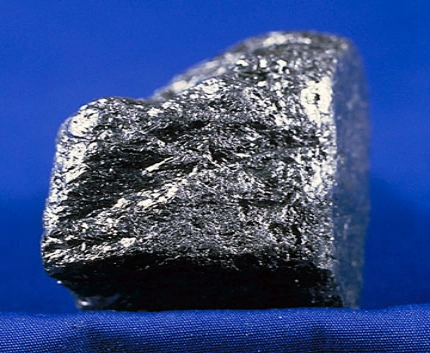
Why Conductive Coating Buyers Need a Graphite Specification
Start with the job the coating must perform. A conductive primer, an antistatic layer, a corrosion control coating, and a graphite rich high temperature coating may need different balances of conductivity, adhesion, flexibility, coverage, and chemical resistance. Record the target resistivity or conductivity range, substrate, binder chemistry, mixing equipment, application route, and cure schedule. The graphite applications in metallurgy and industry page reflects the material’s broad conductive and protective uses, but it does not replace a formulation specific test. Your specification should therefore control the powder inputs while treating the finished film as the acceptance point.
Which Graphite Properties Control Coating Conductivity?
Four groups of data make supplier quotations meaningfully comparable:
| Property | Why it matters in a conductive coating | What to request |
| Fixed carbon and ash | Carbon describes the graphite fraction; ash can dilute the conductive phase or introduce unwanted residues. | Minimum fixed carbon, maximum ash, units, and test methods. |
| Particle size distribution | Size affects packing, film continuity, surface finish, dust, and settling. | D10, D50, D90 or a defined sieve method, plus sample preparation. |
| Flake morphology | Flake geometry can support contact between particles, but large flakes may affect sprayability or surface smoothness. | A morphology description, representative sample, and application trial. |
| Moisture and agglomeration | Moisture and soft agglomerates change wetting, viscosity, storage stability, and repeatability. | Maximum moisture, packaging protection, and observations after mixing. |
Mesh is a useful screening label, not a complete specification. Two powders sold as 325 mesh can have different coarse tails and fine fractions. Use the graphite powder particle size and purity guidance as background, then ask each supplier to report the same measurement method. A practical comparison example is to hold binder, solids, and graphite loading constant while comparing settling and film resistivity. If one lot disperses faster but produces a rougher film, the “better” powder depends on the production constraint you value.
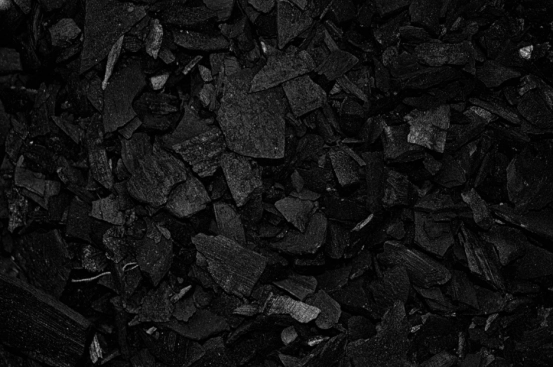
How Should You Match Grade to the Coating Process?
Use grade as a screening direction, not as a promise of a finished electrical result. High carbon graphite is specified by Permanent Minerals in the 94% to 99% fixed carbon range for uses that include conductive and protective coatings. Medium carbon graphite is specified in the 80% to 93% range and is used where electrical, thermal, chemical, and lubricating properties must be balanced. Those ranges help you build a shortlist; they do not determine your final loading.
| Process situation | Initial screening logic | Main risk to check |
| Conductive layer with a low ash tolerance | Start with a high carbon comparison and match particle size to the application equipment. | Higher cost or poor dispersion if the grade is chosen by carbon alone. |
| Cost sensitive antistatic or protective coating | Compare medium and high carbon samples at matched solids and film thickness. | A lower cost powder may require different loading, binder balance, or mixing energy. |
| Spray applied fine film | Favor a distribution that passes the equipment and finish requirements. | Coarse particles, dust, nozzle blockage, or a rough surface. |
| Brush, roll, or thick film application | Screen packing, coverage, settling, and re-dispersion alongside resistivity. | A conductive result in a lab drawdown that cannot be reproduced on the line. |
Do not assume that a higher carbon number automatically permits lower additive loading. The coating may need a continuous particle network, and the percolation point depends on resin, particle shape, dispersion, and film thickness.
What Conductive Coating Tests Should You Run Before Approving a Grade?
Run a controlled sequence before placing a bulk order:
- Define controls.Fix the binder batch, solvent or water balance, mixing energy, graphite loading ladder, film thickness, cure schedule, and test temperature.
- Check dispersion.Record wetting time, mixing time, visible agglomerates, viscosity, and any temperature rise from high shear mixing.
- Measure stability.Observe settling after a defined interval and test whether gentle re-mixing restores the original appearance and viscosity.
- Make comparable films.Use the same substrate preparation and drawdown, spray, brush, or roll procedure for every sample.
- Measure electrical behavior.Use a defined surface resistivity or volume resistivity method, with probe spacing, conditioning, and film thickness recorded.
- Check mechanical fit.Compare adhesion, abrasion, flexibility, surface finish, and any residue or transfer relevant to the end use.
Repeat the most promising formulation with more than one lot when continuity of supply matters. A single laboratory drawdown cannot establish lot consistency, line performance, or long term storage stability. If a coating will face corrosive chemicals, outdoor exposure, or repeated thermal cycling, add those conditions to the validation plan rather than inferring them from graphite’s general material properties.
What Should an RFQ for Conductive Graphite Include?
Give suppliers enough process context to quote a comparable grade. State the coating type and binder, target conductivity or resistivity, substrate, application method, target dry film thickness, graphite loading range, preferred particle size range, moisture and ash limits, test methods, packaging, sample quantity, annual volume, destination, and documentation requirements. Ask for a certificate of analysis format, lot identification, and storage recommendations. A request that says only “conductive graphite, 325 mesh” leaves too many variables open. Use the official product tables as a starting point, then align every reported property with the method used in your own incoming inspection.
FAQ
The following questions address common specification decisions that remain after the main screening and test workflow.
Is Higher Fixed Carbon Always Better for Conductive Coatings?
No. Higher fixed carbon may reduce ash burden, but finished film conductivity also depends on dispersion, particle contacts, binder chemistry, film thickness, adhesion, and cost. Compare matched formulations instead of treating carbon content as a guaranteed performance ranking.
Is Mesh Size Enough to Specify Conductive Graphite Powder?
Usually not. Mesh can screen a purchase, but it does not show the full distribution or measurement method. Request D10, D50, and D90, or a clearly defined sieve result, when settling, sprayability, coverage, or surface finish matters.
Can Natural Graphite Be Used in Every Conductive Coating?
No. Suitability depends on the binder, substrate, cure process, target electrical range, corrosion exposure, and application equipment. Natural graphite is a candidate material; the actual coating must pass controlled electrical and mechanical tests.
How Much Graphite Should a Conductive Coating Contain?
There is no universal loading. Prepare a controlled ladder around the formulation’s conductivity and process limits, keeping film thickness and binder solids constant. Select the lowest loading that meets the required electrical and mechanical performance with acceptable processing stability.
What Should Be Tested Before a Bulk Order?
Test representative samples in the real formulation and record dispersion, viscosity, settling, film resistivity, adhesion, abrasion, finish, and lot to lot repeatability. Confirm that the agreed specification and test methods match the data supplied for the bulk shipment.
Request a Conductive Coating Specification Review
To start a useful discussion, send your coating specification with the binder, target resistivity or conductivity, loading range, particle size preference, test method, packaging, annual volume, and destination. Those details allow a sample or RFQ conversation to focus on comparable data and the tests still needed for your process.