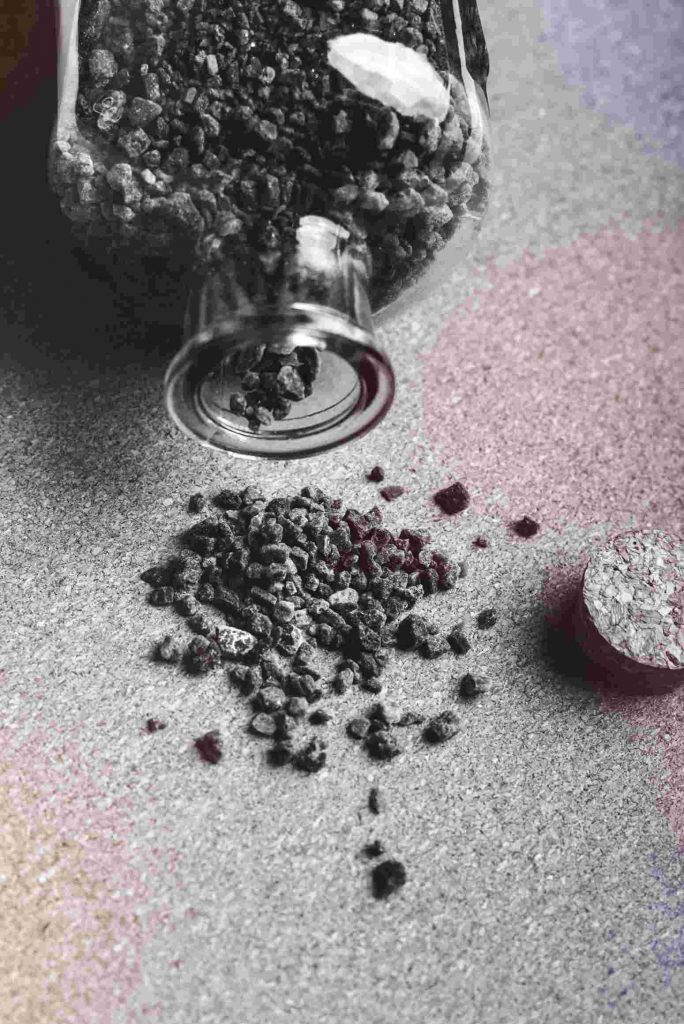
Natural graphite powder comes out of the factory in a freely flowing condition, but on arrival at our company it is found to have hardened clumps. The incoming materials team may put the blame on seawater and poor drying of the product; however, pressure in the shipping process and the nature of fine particles could result in something like that. The difference between the two is important because drying, sifting, and rejection of the consignment are quite distinct actions to take.
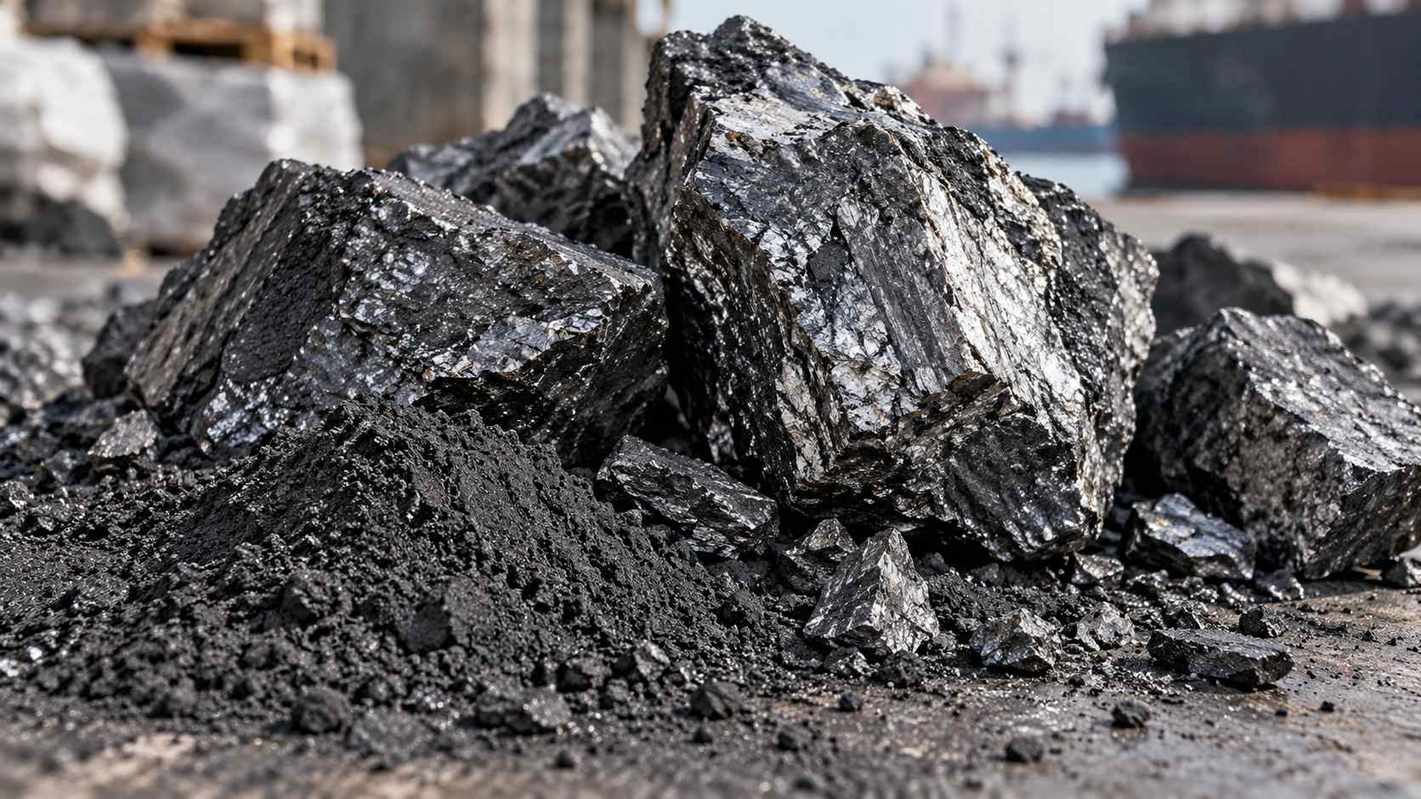
What Does the Caking Pattern Reveal When a Shipment Arrives?
Prior to checking each bag, note the condition of the package. Where the fault occurs is much more important than a photo of an individual lump.
Are the Clumps Concentrated Near One Surface?
Check whether there are any stains present in the liners, wet seams, water marks, or powder adhered to the inside lining. In the case where there are clumps at one end because of torn liners, then it is very different from having all the powder in one solid form. Document the seal, the label, the location of the pallet, and the layer affected before any action is taken. Wetted evidence does not mean bad evidence.
Does the Entire Bag Feel Densely Packed?
The bag, which has consolidated into a hard block without any wet spots, is one that has been pressed while stacked and in motion. Check if the small sample portion will fall apart by handling it gently and uniformly. One should not hammer or break down the lumps in the bag before sampling.
Could Moisture Cause Clumping Without an Obvious Leak?
A dry exterior bag does not mean there is no moisture issue in the area. Graphite is not necessarily wet just because it is dense.
Temperature Changes Can Shift Moisture Inside Packaging
Moisture distribution may be changed depending on temperature variations while storing and shipping via the ocean. This process may lead to formation of particle bridges and stronger agglomerates in certain materials. It all depends on individual graphite properties, its impurities, particle surfaces, and packing. Differentiate between lumps obtained as a result of condensation and other lumps
Compare Moisture Results With the Exact Grade Limit
The published high-carbon graphite grades and medium-carbon graphite specifications include entries with a maximum moisture value of 0.5%. That is a listed product parameter, not proof of the arriving shipment’s condition. Request the lot certificate and use an agreed sampling method. ASTM C562-23 addresses atmospheric moisture in graphite samples; it is not designed to provide representative moisture data after liquid-water contamination.
When Are Fines and Compression More Likely Than Moisture?
It is possible for two samples to be labeled with the same nominal mesh rating but exhibit varying behavior after travel through a long distance.
Fine Particles Can Make a Powder Cohesive
If the percentage of very fine particles is higher, then the number of grain contacts may increase and lead to increased difficulty in pouring or feeding the powder. In case when the selected chunk is broken into loose powder, but still the flowability from the hopper is bad, then the portion of fine particles needs investigation. A new sample should be compared with the reference one through the same sieving process.
Transport Pressure Can Make Dry Powder Look Caked
The stacking of loads and vibrations can cause the packing of the particles to become more dense. A compact but dry sample can be conditioned in order to restore its flow to an acceptable level, but cemented masses indicate a different problem. The weight of the bag, its stacking point, the amount of time for transportation, and the amount of material that is still cemented need to be recorded.
Which Receiving Checks Give Buyers a Defensible Decision?
The purpose is not to conduct every possible laboratory test on the material. The objective is to preserve samples and collect evidence before accepting or rejecting the lot.
Sample Affected and Unaffected Bags Separately
Identify the container, lot number, pallet, and bag before taking samples. Collect from visibly affected packages and from apparently normal packages, then keep those sets separate. Compare the upper, middle, and lower sections of the cargo when feasible with the supplier’s retained sample. Make sure that the samples are sealed at once to ensure that the lab report reflects the conditions of arrival.
Measure What Matters to the Intended Process
Record moisture, sieve residue or size distribution, visible contamination, and an agreed test for flow or dispersibility. In case of refractory mixture, coarse lumps may influence blending, and in case of lubricant formulation, variation in fine particles affects dispersion. These different industrial graphite applications explain why a technically compliant carbon percentage cannot settle every receiving complaint. Hold suspect material from production until the agreed acceptance criteria are evaluated.
How Can the Next Graphite Shipment Be Made More Consistent?
Once the cause is reasonably supported, change the control that addresses it. Adding thicker bags will not correct an unsuitable fine-particle distribution.
Turn the Investigation Into Shipment Requirements
Specify liner integrity, closure, pallet arrangement, stacking restrictions, moisture documentation, and the inspection point in the order. Agree on a retain-sample procedure and what happens if an incoming lot fails. The existing bulk graphite purchasing checklist provides a useful starting point for documenting these commercial and technical requirements. A trial shipment can then test whether the revised packing or handling actually improves arrival condition.
What Can Permanent Minerals Confirm Before Dispatch?
Permanent Minerals Co., Ltd. is a Tanzania-based natural graphite producer with mining, flotation, drying, and screening operations described on its website. For an order with previous caking problems, ask the team to confirm the selected grade, moisture limit, sampling basis, packaging arrangement, and dispatch records. The supplier’s published process capability supports that conversation, but the acceptance plan should still be agreed for the specific shipment.
Conclusion
Graphite powder received in the form of chunks is simply an item for examination and not the actual diagnosis. There may be overlapping of packaging damage, presence of moisture, fine powder, and compaction during shipping. A comparison can be made between the bags affected and those not affected as well as against the grade and the process where the powder will be used.
FAQs
Can dry graphite powder form lumps during sea freight?
Yes. Stacking pressure, vibration, and a high proportion of fines can reduce flow even without obvious water damage. A moisture result and consistent break-up test help distinguish dry compaction from other causes.
Does a 0.5% moisture limit guarantee that graphite will not cake?
No. A specified moisture maximum controls one measured property. Particle-size distribution, packaging condition, temperature history, and handling can still affect powder flow. Compare the delivered lot with an approved reference.
Should buyers dry or screen a clumped graphite shipment immediately?
Not before documenting and sampling it. Drying will affect the moisture evidence; screening will affect agglomerates and the distribution. First segregate the bags affected, discuss the need to test, and determine if reconditioning is allowed.