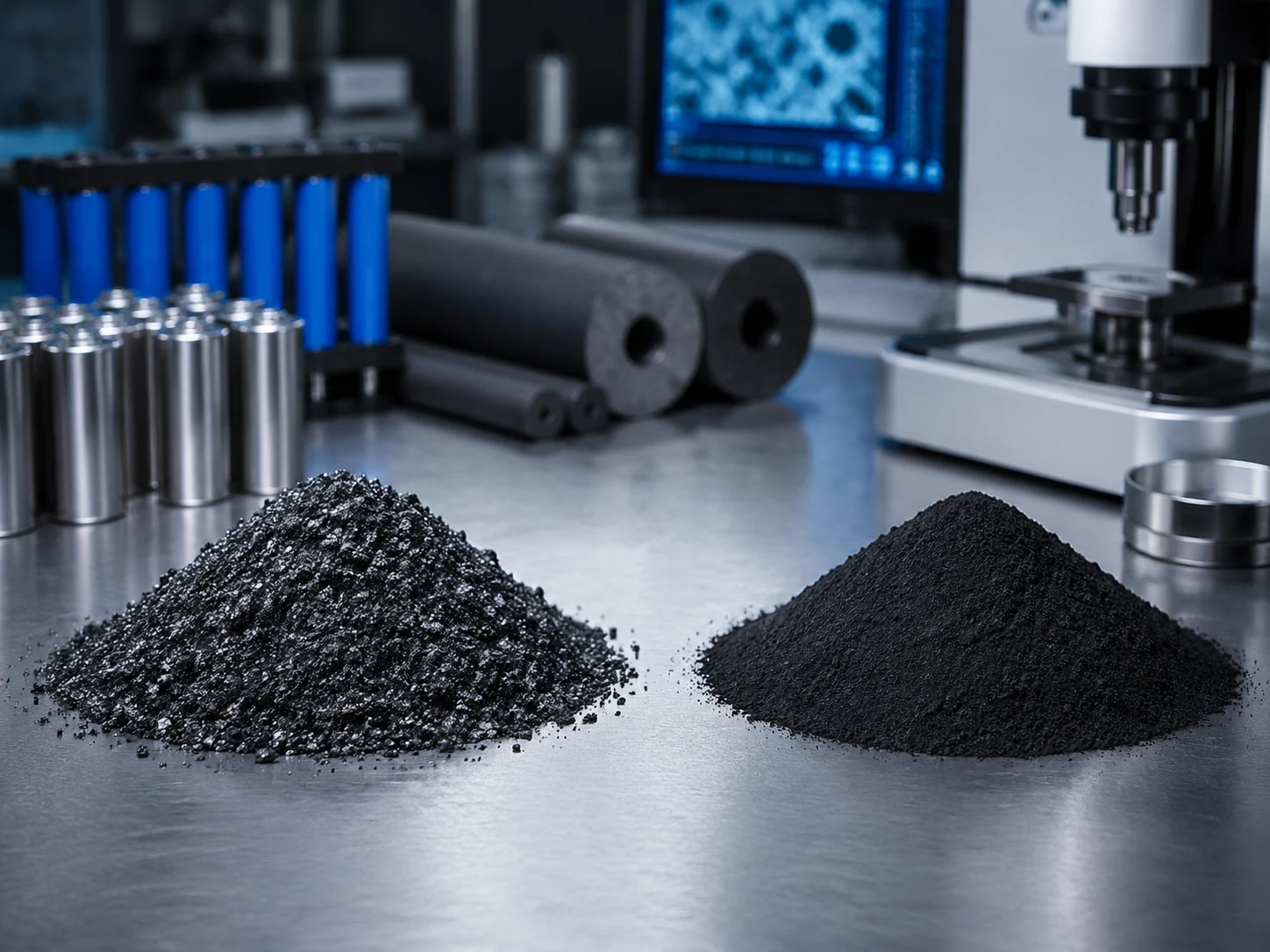
Understanding the difference between medium carbon graphite and high carbon graphite is important for industries that need materials to perform in a steady way. Fixed carbon content plays a big part here. It shapes how well the material conducts electricity, how clean it is, and how much it costs to use. Medium carbon graphite gives a fair mix of price and performance. High carbon graphite shines in tough jobs such as batteries and metallurgy.
Carbon Content in Natural Graphite
Natural graphite is a useful mineral. Its features change with the level of carbon purity. The amount of fixed carbon decides how the material gets sorted and put to work in different fields.
The Role of Carbon Purity in Graphite Classification
Graphite comes in low, medium, or high carbon grades. The split rests on fixed carbon percentage. More purity brings better electrical flow, smoother lubrication, and stronger structure. Many industries pick the right grade to match their needs and budget. Foundries often go with medium grades for coatings. Electronics usually want the cleanest forms.
Overview of Natural Flake Graphite Characteristics
Natural flake graphite forms when organic matter changes under heat and pressure. Its layered crystal shape gives good lubrication and electrical flow. Bigger flakes often reach higher purity after processing. This makes them fit for special uses like lithium-ion batteries or flexible graphite sheets.
Medium Carbon Graphite
Medium carbon graphite sits in the middle range. It works well for many industrial tasks where top purity is not required but steady results still matter.
Typical Composition and Physical Properties
Graphite with fixed carbon between 80–93% counts as medium carbon graphite. It offers decent electrical and thermal flow along with chemical stability. This type shows good electrical conductivity and thermal conductivity, a high melting point, solid lubricity, some plasticity, chemical stability, and decent resistance to oxidation. These traits help it stand up to acids, alkalis, and organic solvents.
A simple table shows its makeup:
| Property | Range / Description |
| Fixed Carbon | 80–93% |
| Volatile Matter | ≤1.5% |
| Moisture | ≤0.5% |
| Conductivity | Moderate |
| Lubrication | High |
| Thermal Stability | Good |
Common Processing Methods for Medium Carbon Graphite Powder
Processing starts with mechanical flotation. This lifts the carbon level in the raw ore. It removes some impurities while keeping the flakes intact. Chemical purification can come next when tighter specs are needed, such as for lubricants or refractories. Grinding and sieving then create even particle sizes so the powder works the same in later production steps.
Industrial Applications of Medium Carbon Graphite
Medium carbon graphite powder sees wide use in chemical, petroleum, pencil, metallurgy, casting, lubrication, and sealing work. It acts as a lubricant additive in machine building. It also serves as a refractory additive in foundry coatings or steelmaking where moderate purity is enough. The balanced traits keep costs reasonable across many sectors.
High Carbon Graphite
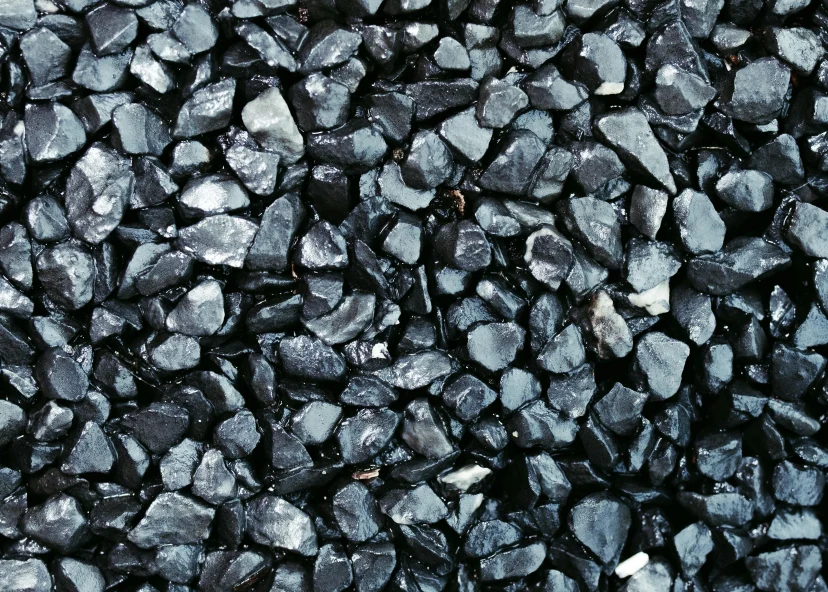
High carbon graphite sits at the top end of natural flake graphite. Its higher purity brings stronger performance in electrical and thermal settings.
Chemical Composition and Structural Qualities
Graphite with fixed carbon between 94% and 99% counts as high carbon graphite. This higher purity cuts down ash and improves crystal order. As a result, high carbon grades show stronger conductivity and better oxidation resistance than medium grades. The structure supports smooth electron movement, which matters for energy storage like battery anodes.
Processing Techniques for High Carbon Flake Graphite
Thermal purification heats natural flake graphite to very high temperatures. Impurities turn to vapor without chemicals. This keeps the crystals whole and can push purity past 99%.
Chemical leaching uses acid solutions to remove leftover minerals like silica or iron oxides. It is more involved on the environmental side but delivers the ultra-high purity needed in electronics or advanced metallurgy.
Industrial Applications of High Carbon Graphite Powder
High carbon graphite works well as a conductive material. In the electrical field it helps make graphite electrodes, carbon brushes, carbon tubes, rods, and protective coatings. It also serves as a refractory material. The powder is key in lithium-ion battery anodes because it conducts well and stays stable during charge cycles. It can act as a wear-resistant lubricating material too. It appears often in crucibles and metallurgical casting molds where low impurity levels count.
Key Differences Between Medium Carbon and High Carbon Graphite
Both belong to natural flake graphites. Still, their different makeup leads to different behavior in use.
Comparison of Physical and Chemical Properties
The table below sums up the main points:
| Property | Medium Carbon Graphite | High Carbon Graphite |
| Fixed Carbon (%) | 80–93 | 94–99 |
| Conductivity | Moderate | Excellent |
| Oxidation Resistance | Good | Superior |
| Ash Content | Higher | Lower |
| Cost Level | Lower | Higher |
Higher fixed-carbon levels raise density and cut impurities. They also add cost because of extra purification steps.
Performance Variations in Industrial Use Cases
Conductivity and Thermal Stability Comparison
High carbon graphite gives stronger electrical conductivity. This suits electrodes or energy storage systems that need careful current control.
Mechanical Strength and Lubrication Efficiency Comparison
Medium carbon grades offer easier machining at a lower price. They fit general lubricants or foundry molds where simple processing matters more than top purity.
Cost-Efficiency Considerations in Material Selection
When price and performance need to balance, medium carbon graphite often gives the best value. Yet when extreme stability is required, such as in electronic parts or advanced refractories, the extra spend on high-carbon material makes sense.
Choosing the Right Graphite Grade for Your Application
Picking between these grades depends on the job goals, not just on chasing higher purity numbers.
Factors to Consider Before Procurement
- Figure out the fixed-carbon level the end use really needs.
- Check how well the material fits existing process lines.
- Weigh long-term running costs against the first purchase price.
- Look at environmental impact if chemical purification is part of the supply.
How PERMANENT MINERALS Supports Industry-Specific Needs
PERMANENT MINERALS is a Tanzania-registered integrated mining enterprise. It sits in the middle of East Africa’s strong graphite belt. Its operations run from ore crushing through flotation to final screening. This keeps supply quality steady across mesh sizes from 80 to -325 mesh. The sizes suit many uses such as new energy batteries or sealing parts. The company runs modular production lines with automated controls to hold efficiency and product consistency. Stable supply from natural flake deposits and custom particle sizes help manufacturers around the world get reliable performance and steady deliveries.
FAQs
Q1: What defines medium vs high carbon graphite?
The main split comes from fixed-carbon content: medium runs 80–93% while high runs 94–99%.
Q2: Which type is better for battery production?
High-carbon flake graphite works better thanks to stronger crystal order and conductivity.
Q3: Can medium-carbon grades be upgraded?
Yes. Flotation followed by chemical purification can raise purity when needed.
Q4: Why does ash content matter?
Lower ash means fewer impurities that could hurt electrical performance or oxidation resistance.
Q5: How does flake size influence application suitability?
Bigger flakes usually give purer material after processing. This makes them a better pick for advanced uses like energy storage or flexible graphites.