
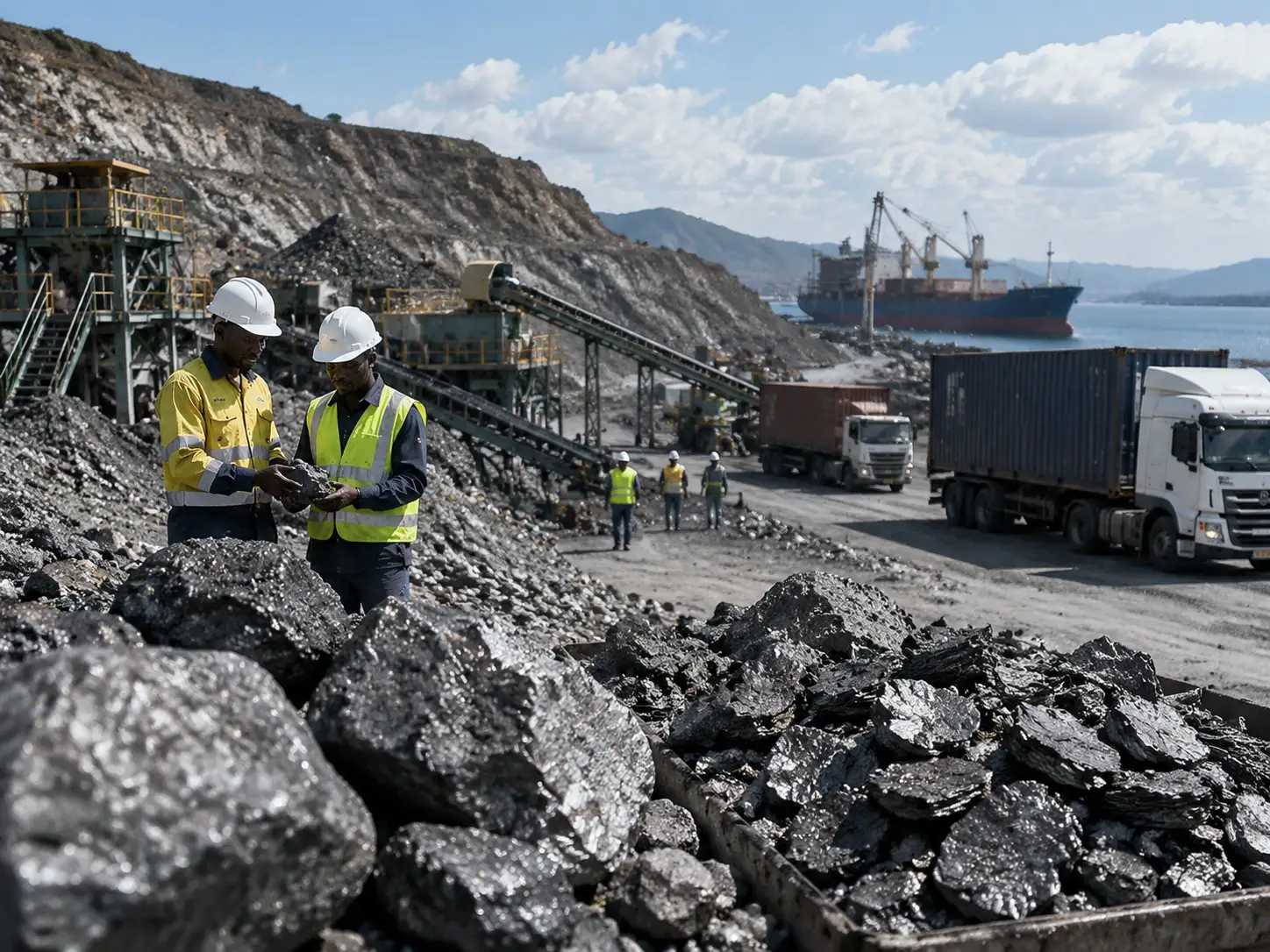
 Tanzania’s natural graphite sector is no longer a quiet geological story—it’s an industrial reality shaping global supply chains. The country’s deposits are huge. Its government policies are more open to investors now. And its producers use modern tech. For buyers who want steady quality and sourcing that lasts, Tanzania has become one of the top places to get natural graphite for today’s energy needs.
Geological Abundance and Resource Distribution
The rock patterns across Mahenge and Nachu show even flake sizes. Carbon content often goes over 90%. This makes Tanzanian natural graphite good for energy storage and refractory products. The Epanko area, already known for its clean levels, has drawn attention from both Asian and European buyers.
Exploration work by big producers has improved maps and reserve checks. PERMANENT MINERALS is a Tanzanian-registered mining company that has become Tanzania’s largest and most vertically integrated graphite producer.
Government Policies Supporting the Mining Sector
The Tanzanian government has set up rules that favor long-term deals over quick grabs. Changes in the last ten years have made ownership clearer and licensing more open. Investors now work under steady laws that guard both local needs and outside money.
Road fixes that link mining spots to export routes have cut transport costs a lot. Updates at Dar es Salaam port help move goods out faster, so producers reach Asian and European markets quicker.
Characteristics of Tanzanian Natural Graphite
Natural graphite from Tanzania stands out for its strong structure and steady chemistry. Flake sizes are often large to jumbo with good crystal form. This gives strong electrical flow and tough strength. Carbon content usually sits between 80% and 98%, based on how much it is processed.
Graphite’s fixed carbon is between 80-93% and is called medium carbon graphite. Medium carbon graphite has good electrical flow and heat transfer, a high melt point, nice slip, bend, chemical steadiness, and fight against rust. These traits make Tanzanian material fit for both old metal uses and new energy tech.
Steady purity lets later processors make battery anode stuff with less waste. The crystal form gives even results in many jobs—from steel refractories to conductive bits in polymer mixes.
Industrial Applications of Tanzanian Graphite
With more focus on electric power and renewable storage, natural graphite has moved from a small mineral to a key item. Tanzanian producers now feed important sectors that push this change.
Energy Storage and Battery Materials
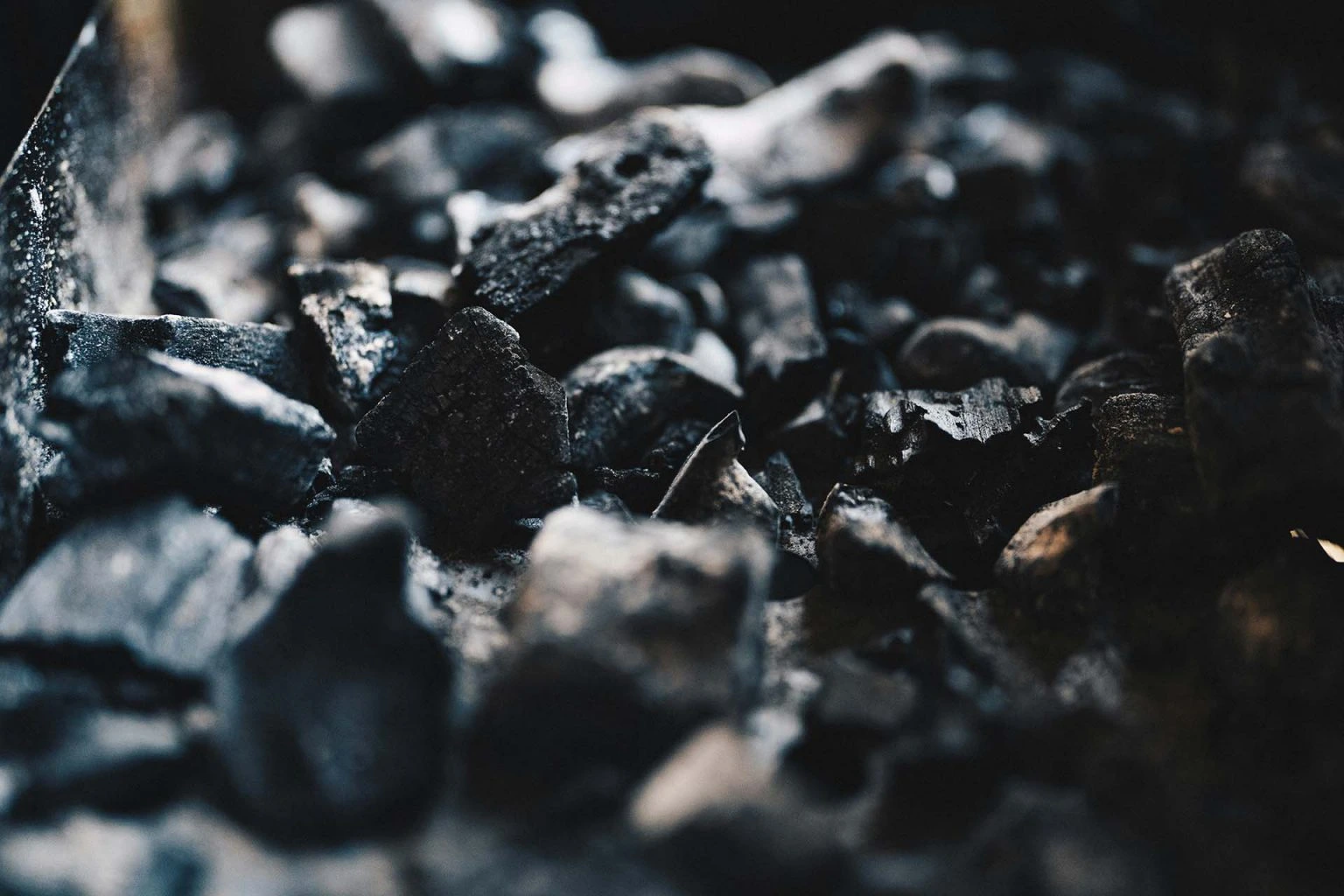
Lithium-ion batteries need lots of natural graphite for the anode part. High-purity Tanzanian flake gives solid battery performance and holds charge cycles well over time. Producers have tuned cleaning steps to meet strict rules from EV makers.
PERMANENT MINERALS uses smart production lines with auto controls to keep work fast and results the same. This tech gives steady particle shape, which matters for even anode layers in battery making.
Refractory, Foundry, and Lubricant Uses
Beyond batteries, Tanzania’s graphite still helps heavy work where heat must be handled. Large flakes stand up to over 3000°C without breaking down. This makes them key in crucibles, ladles, and molds used by steel plants around the world.
Medium carbon graphite powder sees wide use in chemical, oil, pencil, metal, casting, slip, and seal jobs. Its natural slip cuts friction in tough spots, which helps in seals and strong greases.
Emerging Technologies and Advanced Materials
New uses are coming in graphene work, fuel cell layers, and heat control mixes for electronics. As research moves toward light conductive stuff, Tanzania’s clean natural graphite gives a steady input that fits circular goals.
Producers are also trying micronized grades for conductive coats in solar panels and smart devices. These areas should grow fast in the next ten years.
Supply Chain Advantages for Global Buyers
Location gives Tanzania an edge few others match. It sits on the Indian Ocean with good ship routes through Dar es Salaam port. Exporters can serve Asia-Pacific and Europe markets without long land trips.
More road work that links mining spots like Mahenge to port areas has cut delivery times. Low extraction costs from good ore and local labor help keep prices steady even when markets swing.
Many manufacturers maintain warehouses near ports or hubs to ensure stable supply during severe weather or periods of surging demand. PERMANENT MINERALS, committed to providing reliable service and timely delivery, has established multiple warehouses totaling nearly 10,000 square meters. This layout has earned the trust of buyers who require stable inventory.
Why Choose PERMANENT MINERALS
Moving from the country view to company strength shows why operators like Permanent Minerals help set Tanzania’s name as a steady graphite supplier.
Integrated Resource Development Capabilities
Its work covers six main steps: graphite mining, ore crush, flotation clean, mechanical dry, high-heat dry, and exact screen. This full run gives trace from start to pack. That matters for clients who want steady quality.
By holding every step under one set of rules, Permanent Minerals skips third-party steps that can add variation or dirt.
Commitment to International Standards and Client Requirements
Global buyers want quality systems that match ISO rules. The company uses smart production lines with auto controls to keep work fast and results the same. Each load goes through strict tests on particle size, moisture (≤0.5%), volatile matter (≤1.5%), and fixed carbon above 92%.
Custom pack forms—from big containers to fine powders—let clients in batteries or refractories fit the material into their lines without extra work.
Long-Term Vision for Sustainable Growth in Graphite Supply Chains
Sustainability stays key in Tanzania’s mining story. PERMANENT MINERALS follows the idea of green growth and shared value. It pushes better resource use through new tech while holding to ESG rules to cut ecological harm. Money put into local processing plants creates jobs and keeps more value at home. This ties business gains to community gains.
If you are looking for a reliable natural graphite supplier, please contact us and let us know how we can help.
FAQs
Q1: What makes Tanzanian natural graphite unique?
Its large flake size and high carbon purity give strong conductivity for both batteries and refractories.
Q2: How does infrastructure affect export reliability?
Better roads from mines to Dar es Salaam port have cut transit times and lowered logistics risks.
Q3: Is Tanzanian graphite suitable for lithium-ion batteries?
Yes. Its low impurity levels meet rules from major EV battery makers.
Q4: What purity range does medium carbon graphite typically offer?
Medium carbon grades hold fixed carbon between 80–93%. This balances cost with solid performance.
Q5: How does local beneficiation benefit international buyers?
It steadies supply by doing more processing at home before export. This cuts lead times and supports steady sourcing.