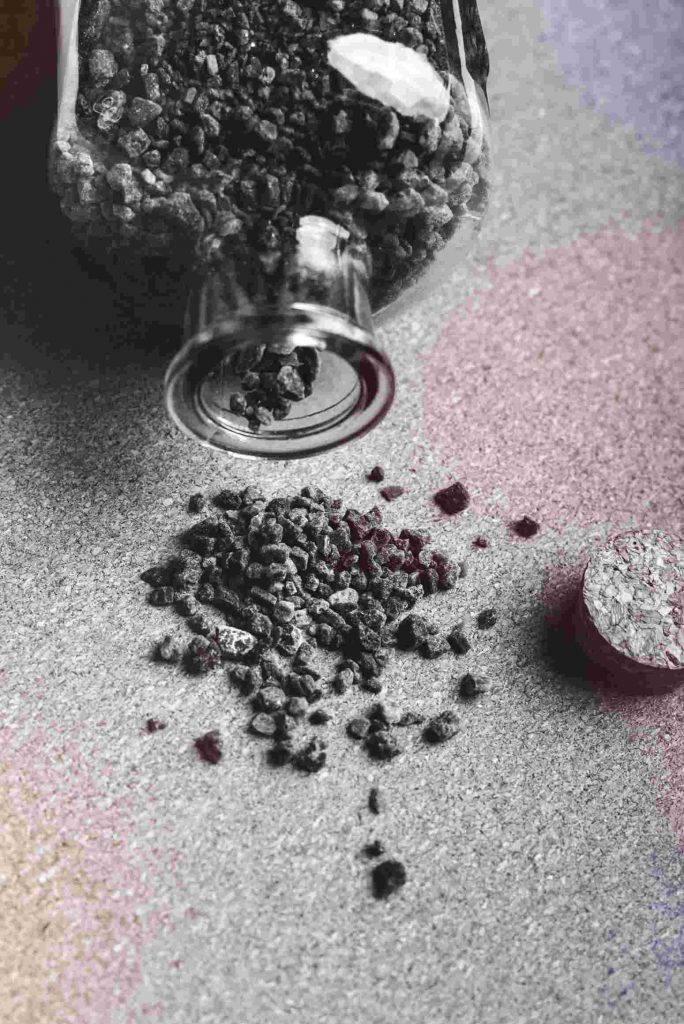
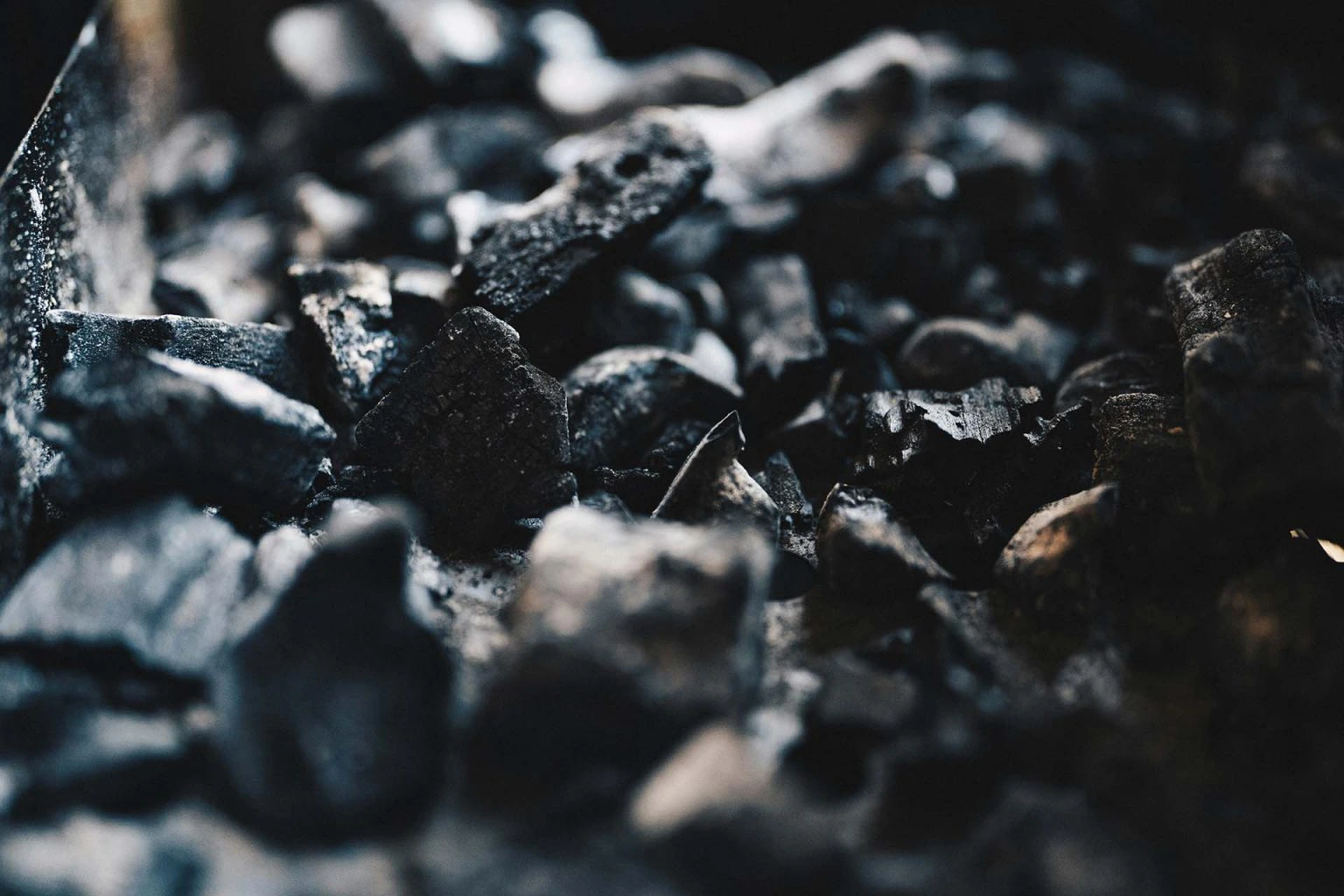
Medium carbon graphite lands in the heart of the graphite lineup. It avoids the extremes of extreme purity or rough rawness. This positioning boosts its value. With a carbon level usually from 80% to 93%, it delivers a smart mix of effectiveness and price. You see it in areas like metalworking, power cells, slippery agents, and heat-resistant items.
What is Medium Carbon Graphite
Graphite with fixed carbon between 80-93% earns the name medium carbon graphite. This span positions it between low-carbon graphite (under 80%) and high-carbon graphite (over 94%). That central makeup grants it broad usefulness. It holds enough purity for solid electrical flow and heat endurance. Yet it stays budget-friendly for big operations.
Medium carbon graphite shows strong electrical flow and heat transfer. It boasts a high melting point. Plus, it offers fine slipperiness, flexibility, steady chemistry, and slow oxidation. It handles acids, bases, and organic fluids well. The structure stays intact. These traits fit spots where both function and lasting power count.
How Medium Carbon Graphite Is Produced
Making medium carbon graphite starts with pulling natural graphite from rock deposits. After digging it up, workers refine it through various cleaning steps. They remove dirt to hit the right carbon level.
Elements like ore origin quality, flotation success, drying heat management, and screening accuracy shape purity. In the end, you get a reliable medium carbon graphite grade. Companies sort it into various product codes by mesh size and purity.
| Grade Type | Fixed Carbon (%) | Max Volatile Content (%) | Max Moisture Content (%) |
| LZ180-93 / LZ150-93 | ≥93 | 1.5 | 0.5 |
| LZ180-92 / LZ150-92 | ≥92 | 1.5 | 0.5 |
Key Properties of Medium Carbon Graphite
The traits of medium carbon graphite set it apart as a sensible pick for sectors that need steady heat or electrical materials. It skips the steep price of super-high-carbon options.
Physical Characteristics
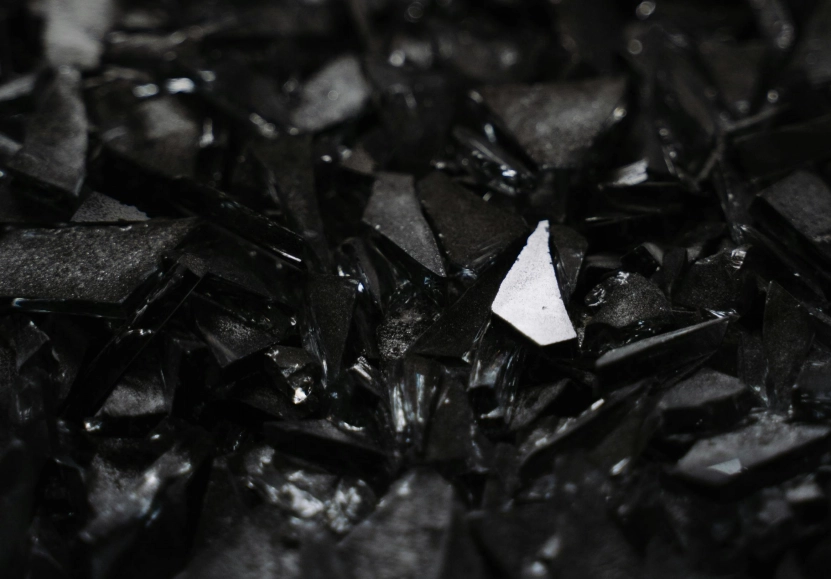
Its stacked crystal setup provides both gentleness and toughness. That’s uncommon in factory materials. The density helps it keep shape under intense warmth. And its heat steadiness stops easy warping at high temps.
Electrical flow stands out too. Electrons travel smoothly via its grid. Paired with its built-in sliding ease, it works great in setups facing rub or grind.
Slow oxidation helps a lot. Even in air heat or with reactive stuff, it breaks down gradually. This trait alone stretches part lifespan in hot jobs.
Performance Advantages in Industrial Applications
Medium carbon graphite nails a fine line between low cost and solid tech output. It costs less than top-purity kinds. Still, it gives reliable flow and heat resistance for typical factory tasks.
Its flexibility lets makers apply it in many steps. Think casting shapes or conductive mixes. No big recipe tweaks needed. It machines well too. You can form blocks or dust into custom pieces for exact engineering fits.
Industrial Applications of Medium Carbon Graphite
Sectors pick medium carbon graphite for its adaptability. It slots neatly into key fields where handling heat or slip matters most.
Use in Metallurgy and Foundry Processes
In steel production and casting work, medium carbon graphite acts as an additive or surface layer. It smooths metal movement as it fills molds. It is used as an additive of metallurgical industry.
Applied as a mold layer or mixed into heat-proof walls, it cuts flaws like air pockets or rough finishes. It does this by boosting metal release. Its heat shock endurance also avoids splits during quick warm-ups common in foundries.
Application in Battery Manufacturing
Graphite aids energy holding tech thanks to its conductive web. It is used as absorbent materials of battery. In some refillable battery styles, especially those needing fair energy packing, medium carbon graphite works well in the anode blend.
It aids by bettering electrical routes. It also steadies charge and release over repeated uses. For budget-focused designs like reserve power or mixed setups, this mix makes good sense.
Use in Lubricants and Coatings
Dry slip in hot conditions ranks as a top use for this type. It is used as additive of lubricant. Blended with oils or fats, or even dusted straight on, it lowers rub between parts in motion. Here, liquid slips might vaporize or weaken.
For coatings, medium carbon graphite boosts wear fight. It adds rust protection to gear in tough spots, such as chemical sites or sea gear.
Application in Refractory Materials and Bricks
Hot industries lean on heat-proof parts that hold form over 1500°C. It is used as additive of refractory. Pots, oven walls, and bricks with medium carbon graphite fight bending under heavy heat. They keep size steady.
Fields like steelmaking and glass making gain from these qualities. They face ongoing heat rounds without wear or dirt risks.
Comparison with Other Types of Graphite
Seeing how medium carbon graphite stacks against low- and high-carbon kinds helps designers pick the best fit for each task.
Differences Between Low, Medium, and High Carbon Graphite
Low-carbon types (under 80%) cost less. But extra dirt hampers their flow and chemical hold. High-carbon types (over 94%) give top purity. However, heavy cleaning drives up prices. Medium carbon rests in the middle. It brings even traits for everyday factory needs where max purity isn’t key.
Common uses include:
- Low-carbon: pencils, paints.
- Medium-carbon: foundry additives, lubricants.
- High-carbon: lithium-ion battery anodes, nuclear-grade components.
Choosing the Right Graphite Grade for Industrial Needs
Picking the proper grade hinges on heat levels in operations, needed electrical output, surroundings exposure, and money limits. For example, super-hot ovens might call for purer stuff. Conductive layers can use medium powders. Low-price jobs opt for lesser grades if small dirt levels work.
Why Choose PERMANENT MINERALS
Shifting from broad traits to reliable sourcing leads to Permanent Minerals. We earn nods for full production reach in Tanzania’s mineral-rich zones.
Commitment to Quality Material Sourcing
Permanent Minerals Co., Ltd. is an integrated mining company. Since establishing its first graphite plant in Tanzania in 2019, we have grown into Tanzania’s largest and most integrated graphite producer.
The linked setup guarantees even quality. It covers mining to processing to global shipping. Automated systems hold steady rules across loads.
Customized Solutions for Industrial Clients
With tailored services and bendy shipping options, the company builds lasting ties with buyers around the world. This setup lets clients ask for specific mesh sizes or purity matches to their lines. Whether for electrodes or special layers, it fits. Tech teams help pair grades to needs like heat endurance or dust spread in blends.
PERMANENT MINERALS follows “Green Development, Shared Value.” It pushes smart resource use via tech advances. For industrial buyers seeking consistent graphite grades, stable supply, and customized mesh or purity options, Permanent Minerals provides integrated sourcing and processing support. Contact us to discuss the right medium carbon graphite solution for your application.
FAQs
Q1. What defines medium carbon graphite?
It’s natural graphite containing about 80–93% fixed carbon with balanced physical strength and conductivity features suitable for industrial use.
Q2. How does medium carbon differ from high-carbon graphite?
High-carbon varieties exceed 94% purity offering better conductivity but at higher costs; medium grades provide more cost-effective versatility.
Q3. Can medium carbon graphite be used in batteries?
Yes—it serves effectively as part of anode formulations where moderate energy density suffices without requiring ultra-pure material.
Q4. Why is it preferred for foundry coatings?
Because its thermal resistance improves metal flow during casting while minimizing surface defects like porosity or sticking issues.
Q5. What are typical forms available commercially?
Powders ranging from coarse (80 mesh) to fine (-325 mesh) depending on application needs like refractories or conductive fillers are common options.