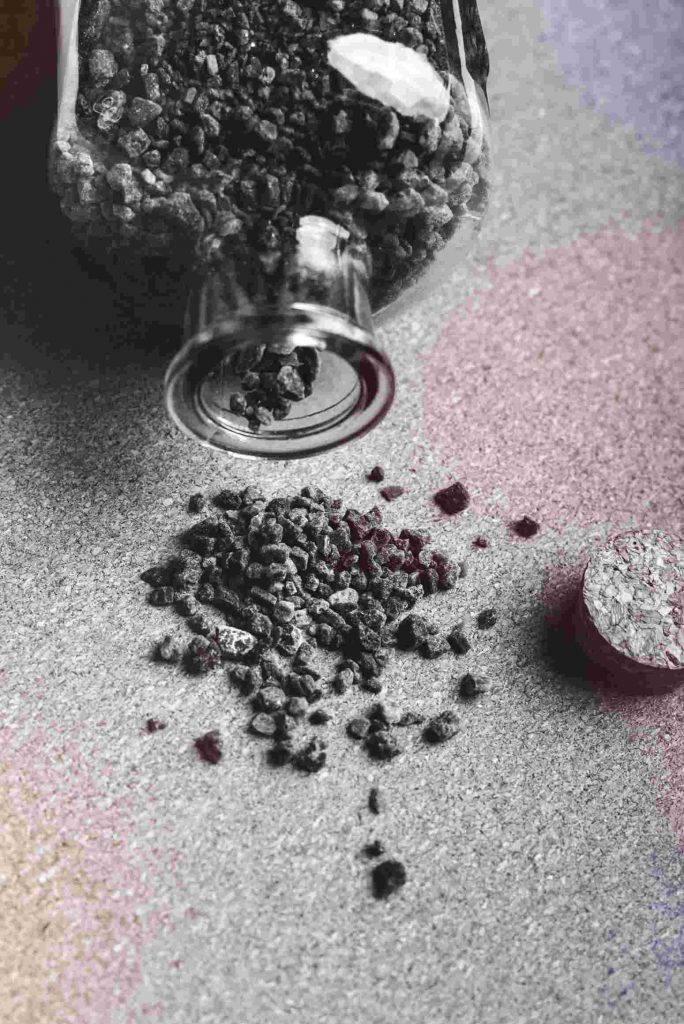
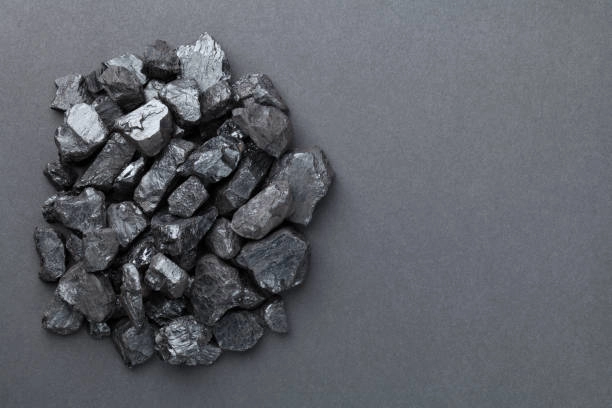
Industrial natural graphite rarely arrives as a perfectly clean material. Even a concentrate with a strong fixed carbon result can carry mineral residues that affect its behavior in production. That difference becomes obvious when a batch runs smoothly in a refractory mix but causes unexpected wear in a milling line.
For buyers, purity is not one number. The useful question is which impurities are present, how much of each is present, and whether they matter for the intended process.
Why Impurity Composition Matters Beyond Total Ash
Ash content is a useful starting point, but it is not a full material diagnosis. It shows how much inorganic residue remains after combustion. It does not identify the residue.
Two graphite products can show similar ash values while behaving very differently. One may contain mostly quartz. Another may contain iron bearing minerals or carbonates. The first can create abrasion issues. The second may alter oxidation behavior or increase purification costs.
Fixed carbon has the same limitation. A high figure looks attractive on a quotation sheet, yet it does not confirm that the graphite is suitable for every application. Particle size, moisture and the chemistry of the remaining minerals still matter. A buyer who only compares fixed carbon percentage can miss the actual production risk.
The Most Important Impurities in Industrial Natural Graphite
The impurity groups below are not equally important in every grade. Their relevance changes with temperature, chemical treatment and the performance expected from the finished product.
Silica and Alumina
Silica and alumina usually come from quartz, clay minerals or other silicate materials associated with the graphite deposit. Quartz is especially important because it is hard. In a grinding or blending operation, excess quartz can contribute to equipment wear.
For refractory producers, silica and alumina may also influence ash chemistry at high temperature. That is not always a defect. Some formulations tolerate specific mineral content. Others do not. The decision should be based on the full formulation rather than a generic low ash requirement.
Iron and Other Metallic Elements
Iron is often a concern because it can affect high temperature performance and product consistency. Metallic impurities may be naturally present in the ore. They can also enter during crushing, handling or transport.
A foundry coating may tolerate more iron than a high purity conductive application. In battery related processing, even relatively small metal residues can complicate purification. Iron should therefore be listed as an individual specification item when it affects the customer’s process. Treating it as part of a broad ash number is rarely enough.
Sulfur
Sulfur deserves attention when graphite will be heated, expanded or used near molten metal. Sulfide minerals can release sulfur bearing gases during thermal treatment. That may create odor concerns. It can also affect emissions control or surface quality in sensitive applications.
A graphite grade with acceptable fixed carbon can still create trouble if sulfur was not checked. This is a familiar issue in trial batches. The material passes incoming inspection, then the furnace operator notices a change in off gas behavior.
Calcium, Magnesium, Sodium and Potassium
Calcium and magnesium are often linked to carbonate or silicate minerals. Sodium and potassium may be associated with clays or process contamination. These elements can increase acid consumption during chemical purification.
They are also worth monitoring in applications that require stable thermal or electrochemical behavior. The acceptable level depends on the end use. A practical specification sets limits for the elements that matter rather than asking for every possible trace metal result.
Moisture and Volatile Matter
Moisture and volatile matter are not always mineral impurities. They still affect commercial performance. Wet graphite changes actual dry basis carbon content. It can also disrupt dosing during blending.
Volatile matter becomes more visible during heating. A coating manufacturer may notice uneven drying. A thermal processor may see a change in gas release. Stable values matter more than a single attractive test result.
Which Impurities Matter Most for Different Applications?
Application decides the priority.
| Application | Impurities to Watch | Why They Matter |
| Refractories | Ash chemistry, iron, calcium, silica | High temperature behavior and oxidation resistance |
| Foundry products and coatings | Sulfur, moisture, volatile matter, hard minerals | Gas formation, surface quality and process consistency |
| Conductive materials | Metallic impurities, ash and moisture | Conductivity and formulation stability |
| Lubricants and friction materials | Silica, abrasive minerals and metals | Wear, surface damage and consistency |
| High purity or battery related processing | Iron, sulfur, alkali metals and total ash | Purification difficulty and electrochemical performance |
There is no single “most dangerous impurity” that applies to all buyers. The most rational sourcing approach is to first determine the end use, then work backward to determine impurity limits and acceptable purification costs.
How Should Natural Graphite Impurities Be Tested?
You may need to request:
- Proximate analysis: moisture, volatile matter, ash and fixed carbon
- XRF or ICP analysis: individual metallic and inorganic elements
- Sulfur analysis: total sulfur concentration
- XRD: identification of quartz, clay, carbonate and other mineral phases
- Particlesize analysis: confirmation that the tested sample represents the supplied grade
Ask for the test method and sample condition. A dry basis figure cannot be compared directly with an as received figure. Lot information also matters. One laboratory result is helpful, but it does not prove long term consistency.
Questions to Ask Before Selecting an Industrial Graphite Grade
The buying discussion should begin with the application.
You need to confirm the following with the supplier:
- What is the intended industrial application?
- What fixedcarbon range is actually required?
- Which individual impurities have maximum limits?
- Are particle size and flake distribution specified?
- Is the material supplied as mined, concentrated or further purified?
- How is lotto lot consistency evaluated?
- Can a representative sample be assessed before a bulk order?
A vague request for “high purity graphite” often produces vague offers. A specification tied to the actual process gives both buyer and supplier a clearer target.
Frequently Asked Questions
Q: Is Ash Content the Same as Total Impurity Content?
No. Ash shows the inorganic residue left after combustion. It does not reveal which elements are present or how they are distributed. It also does not fully describe moisture, volatile matter or organic contaminants.
Q: Is Higher Fixed Carbon Always Better?
Not necessarily. Higher fixed carbon can mean more processing and a higher price. If the end use does not require that purity level, the added cost may not create useful value.
Q: Can Two Graphite Grades with the Same Fixed Carbon Perform Differently?
Yes. Their ash chemistry may differ. Their particle shapes may differ as well. One material may contain abrasive quartz, while another carries more iron or sulfur. The same fixed carbon result does not guarantee the same production outcome.
Conclusion: Match the Impurity Profile to the Application
Industrial graphite selection should go beyond a fixed carbon figure. Check the mineral profile. Review sulfur and metallic elements. Confirm moisture, particle size and batch consistency. PERMANENT MINERALS can start the discussion from the process requirement rather than a generic purity request.
Looking for a natural graphite grade that matches your process requirements? Share your target application, fixed carbon range, particle size and impurity limits with PERMANENT MINERALS to discuss material selection and sample availability.