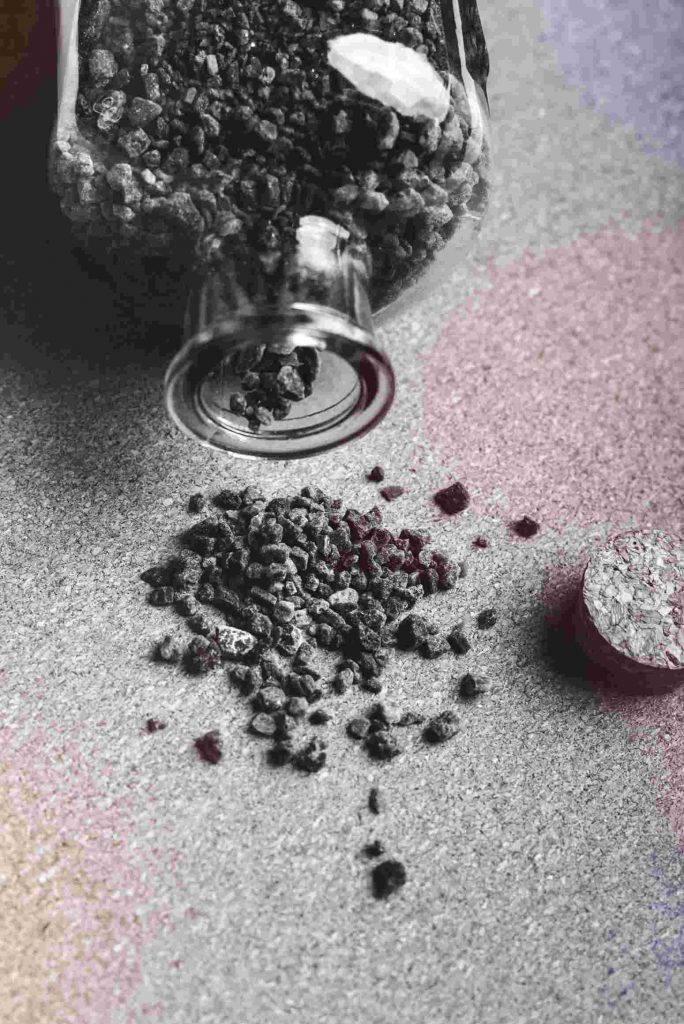
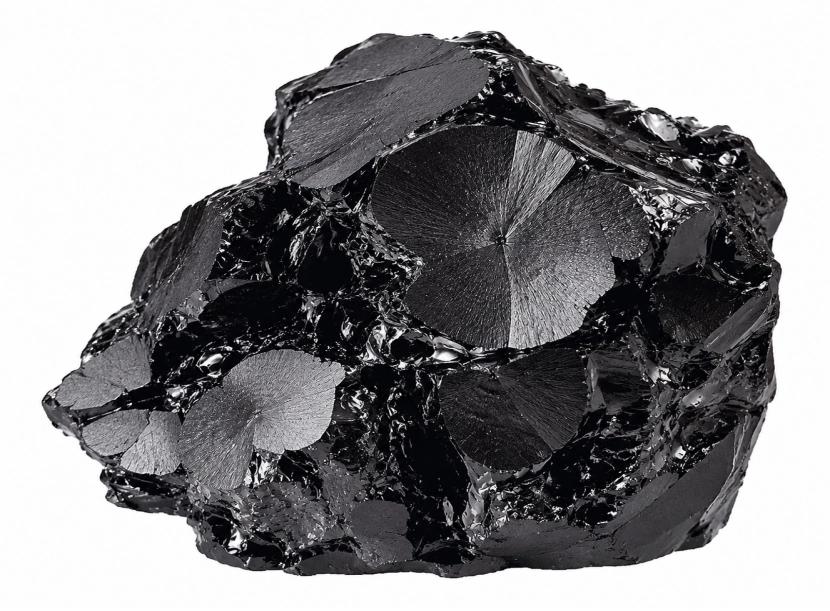
When we talk about graphite quality, the lab report usually highlights “Fixed Carbon” as the headline figure. It is not just a number; Fixed carbon represents the solid combustible residue that remains after volatile matter is driven off. In the field, we view this as the “skeleton” of the material. If the fixed carbon is low, you are essentially paying for ash and moisture that will either evaporate or contaminate your process.
In natural graphite, this metric serves as a primary indicator of material purity and structural integrity. You cannot fake a high carbon reading without having a clean, well crystallized lattice. For those working in industrial furnace environments or electrode manufacturing, high fixed carbon content directly correlates with the thermal and electrical efficiency required in heavy industry. It is the difference between a component that lasts six months and one that fails in six weeks.
Why Does Fixed Carbon Content Dictate Market Value?
The market prices graphite based on carbon content because purity isn’t just a “nice to have”—it’s a cost saving necessity.
The Relationship Between Purity and Performance
Increased fixed carbon percentages minimize the presence of deleterious impurities like silica or iron. If you have ever seen a refractory lining fail prematurely, it is often because silica impurities reacted at high temperatures, creating “soft spots.” Higher purity levels reduce the need for aggressive chemical leaching or thermal purification processes later in the supply chain. For buyers, sourcing high fixed carbon graphite from the outset lowers downstream processing costs. It is much cheaper to buy 95% carbon graphite than to buy 90% and try to “clean” it yourself.
Thermal Stability in High Temperature Environments
Fixed carbon determines the oxidation resistance of graphite components in refractory linings. When the heat goes up, the carbon is what stays behind to do the work. Medium carbon graphite has good electrical conductivity and thermal conductivity, high melting point, good lubricity, plasticity, chemical stability, and resistance to oxidation. Materials with low volatile matter maintain structural dimensions under extreme thermal cycling. If your graphite has too much volatile matter, it “gasses out,” causing microscopic cracks that eventually lead to structural failure.
Navigating the Trade-off: Fixed Carbon vs. Graphite Powder Particle Size
There is a tricky balance between the size of the flake and the carbon percentage. Large flake graphite often carries higher fixed carbon naturally due to its crystalline structure. The geology of the deposit usually keeps the carbon locked in the larger flakes. However, when we start talking about graphite powder particle size, things get complicated.
Mechanical grinding into fine graphite powder can sometimes expose internal impurities or increase surface moisture. As you break the flakes down to -325 mesh, you increase the surface area, which can attract moisture. Achieving 95-99% fixed carbon in ultra fine powders requires specialized milling techniques to preserve the carbon lattice. We have seen cases where over milling actually degrades the performance because the energy of the mill drives impurities deeper into the powder.
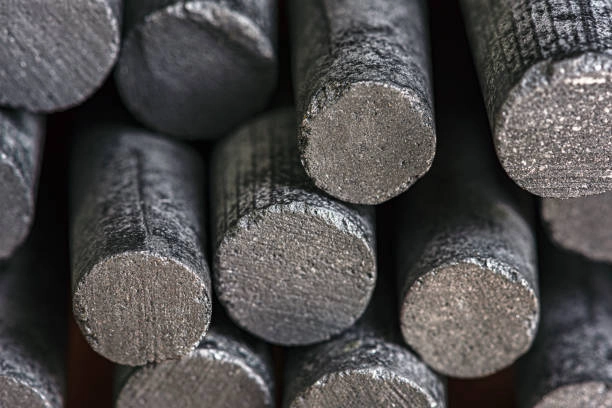
Industrial Applications Where Fixed Carbon Is Non-Negotiable
In certain sectors, if your fixed carbon is off by even 1%, the whole batch is scrap.
Friction Materials and Lubricants
Fixed carbon ensures consistent performance in brake pads by providing stable friction coefficients. If the carbon is inconsistent, the brake feel changes as the pad wears down. According to its features, medium carbon graphite powder is widely used in chemical, petroleum, pencil, metallurgy, casting, lubrication, sealing, etc. Low impurity graphite prevents abrasive wear on mating metal surfaces. You don’t want a “lubricant” that contains 5% abrasive silica.
Steelmaking and Foundries
In the melt shop, graphite serves as an efficient carbon raiser (recarburizer) where high fixed carbon ensures high recovery rates. If the carbon isn’t “fixed,” it just burns off into the baghouse as smoke. The 93-grade products have a fixed carbon content of at least 93%, while the 92-grade products have a fixed carbon content of at least 92%. Minimizing ash and sulfur through high carbon content prevents contamination of the steel melt.
The Growing Demand in Energy Storage
This is the frontier. Anode production requires a baseline of high purity natural graphite to maximize lithium-ion intercalation. Even minor impurities found in lower carbon grades can lead to battery failure or reduced cycle life. Graphite’s fixed carbon is between 80-93% and is called medium carbon graphite. While this is great for metallurgy, the battery world is pushing for even higher specs.
How to Verify the Quality of Your Graphite Supply?
Don’t just trust the label. Verification is the only way to ensure your machines don’t break. I always recommend requesting a proximate analysis report to distinguish between total carbon and fixed carbon. Total carbon includes the stuff that burns off easily; fixed carbon is what you are actually using.
Understanding the impact of moisture and ash content on your specific manufacturing tolerances is vital. All grades have a maximum volatile content of 1.5% and a maximum moisture content of 0.5%. If your supplier is consistently hitting the “maximum” allowed, you have no buffer for error. Evaluating the consistency of fixed carbon across different batches from your supplier is the true test of a partner.
Sourcing Strategies for Industrial Buyers
If you are buying in bulk, the closer you are to the source, the better. Direct from mine sourcing at PERMANENT MINERALS ensures better control over carbon consistency.
Tailoring the specification of fixed carbon to match the specific thermal requirements of your application is the final step. The company utilizes modular smart production lines equipped with automated control systems to ensure efficiency and product consistency. You don’t always need 99% carbon for a simple casting job, but you definitely need it for a fuel cell.
Contact PERMANENT MINERALS today to discuss your graphite requirements and source the right material for your next project.
FAQ
Q: What is the difference between Total Carbon and Fixed Carbon?
Total carbon includes all carbon atoms, including those in volatile hydrocarbons. Fixed carbon is the stable, solid carbon that remains after heating the sample to remove volatiles.
Q: Does a smaller graphite powder particle size mean lower purity?
Not necessarily, but it is harder to maintain. Processing fine powder increases the risk of contamination and moisture absorption, so it requires more advanced purification.
Q: Why is 93% carbon often cited as a benchmark?
In many industrial sectors, the 93-grade products have a fixed carbon content of at least 93%, which represents the “sweet spot” where the graphite is pure enough for most metallurgical and refractory uses without the extreme cost of 99.9% battery grade purification.