
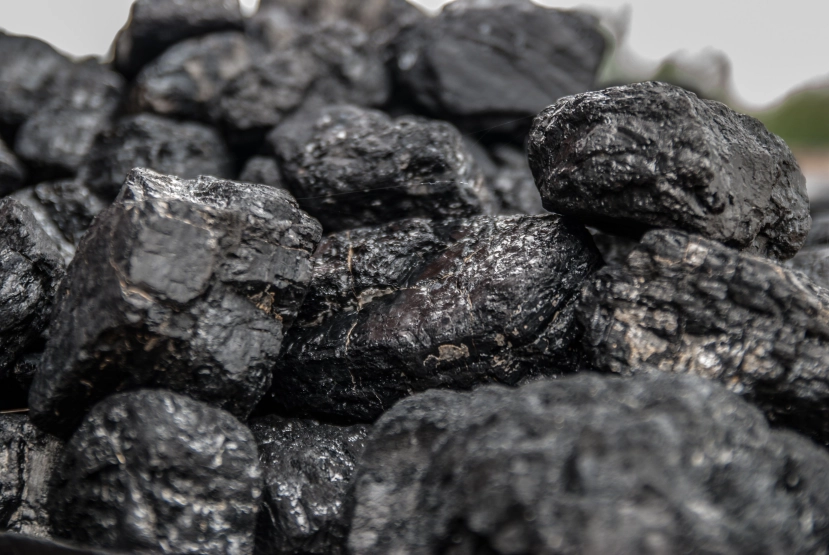
Graphite plays a huge role in how an electric vehicle drives. It affects charging speed, driving range, and general safety. The anode is the place where lithium ions rest during a charge. This part depends strongly on the physical structure of graphite. Modern lithium-ion batteries simply could not work without this material.
Why Is Graphite Essential for Lithium-Ion Battery Anodes?
Graphite is still the top choice for anode materials. It offers great electrical conductivity. It also stays stable through many charging cycles. The material has a layered design. This setup lets lithium ions slide in easily. As a result, the structure does not fall apart. Natural and synthetic graphite both affect battery efficiency. They also determine how long a battery works before it starts to fail.
The rapid growth in EV demand forces manufacturers to reconsider their graphite sources. The industry is moving toward greener supply chains. Processing efficiency is also getting better. Businesses now look at advanced purification methods. These new techniques help natural graphite compete closely with synthetic options.
What Is Natural Graphite?
Natural graphite sits right at the center of the performance and sustainability debate. Workers mine it directly from earth deposits. Natural forces shaped these materials over millions of years.
Characteristics and Structure of Natural Graphite
It is a crystal type of carbon. It has excellent electrical conductivity because of its neat grid layout. High carbon graphite contains a fixed carbon amount between 94% and 99%. This specific purity is perfect for conductive uses. Battery anodes fall into this group. Natural graphite must go through strict purification first. It also needs proper shaping. These steps help the material meet exact energy storage rules before battery use.
Advantages of Natural Graphite for Batteries
Natural graphite brings a clear energy benefit. Producing it takes less power than making synthetic types. This happens because it comes from mined rocks instead of extreme heat treatments. The production process releases fewer greenhouse gases. This fits nicely with the goal of car brands to lower CO₂ emissions across their supply chains. This material is also cheaper to get. This is true as new mining sites open around the world. Green sourcing makes it even more attractive. Good mining habits lower harm to nature. These actions also help local towns by creating jobs and building better roads.
What Is Synthetic Graphite?
Synthetic graphite presents a totally different background. Its story focuses on careful control and exact details instead of natural earth changes.
How Is Synthetic Graphite Produced?
Manufacturers produce it from petroleum coke or coal tar pitch. They use a heating process that goes past 2,500°C. This careful method creates an even particle size. It also yields extremely high purity levels. Such pure results are hard to get from natural earth sources.
Benefits and Limitations of Synthetic Graphite in EV Applications
Synthetic graphite offers steady results during tough charging and discharging cycles. It handles higher voltages without breaking apart. This trait makes it great for fast EVs. It also works well for energy-dense cells in luxury cars. However, making it uses a massive amount of energy. This drives up both costs and pollution. That is a major downside for a business that cares deeply about green metrics.
Comparing Natural vs Synthetic Graphite: Which Performs Better?
The actual performance depends on your main goals. You must choose between better energy storage or protecting the environment.
Energy Density and Efficiency Considerations
Natural graphite usually shows a slightly better storage limit. However, it might have a lower starting efficiency. This drop happens because of surface dirt or rough shapes from the mining phase. On the other hand, synthetic graphite provides much smoother charging cycles. It has a very even shape. The trade-off is its much higher production cost.
Environmental Impact: Which Type Is More Sustainable?
Natural graphite easily wins from a green point of view. Good mining sites produce far less pollution. They beat synthetic factories that run giant ovens at thousands of degrees. Safe sourcing rules make this choice even better. They ensure clear tracking from the dirt mine all the way to the final battery cell.
PERMANENT MINERALS follows a core belief of “Green Development, Shared Value.” The company pushes for smart resource use through new technology. They also strictly follow ESG (Environmental, Social, Governance) rules. This effort cuts down harm to the local nature. Their method proves that clean mining works well. It easily meets the huge supply needs for EV batteries.
How Does Battery Anode Graphite Choice Affect EV Performance?
Picking between natural and synthetic graphite goes beyond basic chemistry. It directly changes how a car drives on real roads.
Impact on Charging Speed and Battery Lifespan
The shape of the particles decides how fast lithium ions travel during a charge. A badly formed anode slows down this movement. This delay causes extra heat. It can also reduce the battery capacity over time. Engineers frequently mix both kinds together. They use natural material for better capacity. They add synthetic material for steady results. This blend balances the final cost and overall power across different EV models.
Why Are Manufacturers Turning Toward Natural Graphite?
Rules from governments and buyers push car makers toward cleaner materials. Manufacturers now face strong pressure to adapt. Better cleaning tools make natural graphite much purer today. These updates close the quality gap with synthetic options. The natural type now offers great purity and strong stability.
PERMANENT MINERALS takes pride in its “end-to-end autonomy.” This feature acts as a major business advantage. The company uses a fully connected system. This setup covers everything from raw mining to careful sorting. It guarantees steady quality for modern battery uses. It also keeps clear sourcing records. Global car brands value this kind of clear tracking.
Partnering with a Reliable Graphite Supplier for EV Applications
A steady supply is just as important as good chemistry. This is especially true when growing battery production lines across the globe.
A trusted supplier needs to know about mining trends. They must also understand modern refining skills. This knowledge helps them ship solid material batches. These goods must meet changing market demands. PERMANENT MINERALS headquartered in Tanzania, sits right in the center of East Africa’s top graphite zone. Their connected business handles everything from crushing rocks to hot drying. This total control ensures a smooth product flow. It works well even when global markets go up and down.
FAQ
Q: What type of graphite do most EV manufacturers currently prefer?
Many companies use mixed anodes. They blend both natural and synthetic graphite together. This mix creates a great balance. It improves cost savings and extends the total battery life.
Q: Is natural graphite sufficient for next-generation fast-charging batteries?
Yes, it is. Recent upgrades in cleaning technology help a lot. They improve particle shapes and remove hidden dirt. High-purity natural graphite now handles many fast-charging needs.
Q: How does sustainable sourcing affect EV brand reputation?
Car brands now see clear supply chains as a core value. Using safely sourced natural graphite builds strong green trust. Buyers care deeply about total carbon emissions. Clean sourcing makes these buyers much happier.
Q: Can African-sourced natural graphite compete globally?
Yes, it certainly can. Places like PERMANENT MINERALS prove this fact. Their connected sites show that African mines produce steady quality. They easily meet global rules. At the same time, they boost local town growth through safe and green methods.